
We review current product information, care guidance, and purchasing considerations to help you compare options. Always confirm the final specifications, price, and retailer policies before ordering.
In this guide
The short version
Henry Rose makes sense for someone who wants to explore perfume with more information about what goes into it. Ingredient disclosure is a useful reason to investigate the brand, but we would still start with samples. The scent needs to earn a full-bottle purchase, particularly because direct website sales are final.
This is a research-based U.S. review of public product information, policies, and customer feedback, not a hands-on fragrance test. We cannot personally verify projection, longevity, or how a scent develops on skin. Our recommendation is to explore the smaller formats before committing to a fragrance you have never smelled.
What makes the brand worth a look
Founded by Michelle Pfeiffer and launched in 2019, Henry Rose positions its collection around genderless fragrance and ingredient transparency. Its story describes working with International Flavors & Fragrances and pursuing EWG verification and Cradle to Cradle certification. These are brand-reported credentials, rather than evidence that one perfume will smell better than another.
The practical advantage is access to ingredient detail. Someone who likes understanding a formula can investigate beyond a romantic scent description. We value that openness without accepting the broader implication that conventional perfume is automatically inferior. Your enjoyment of the scent still has to earn the purchase.
Start with the discovery set
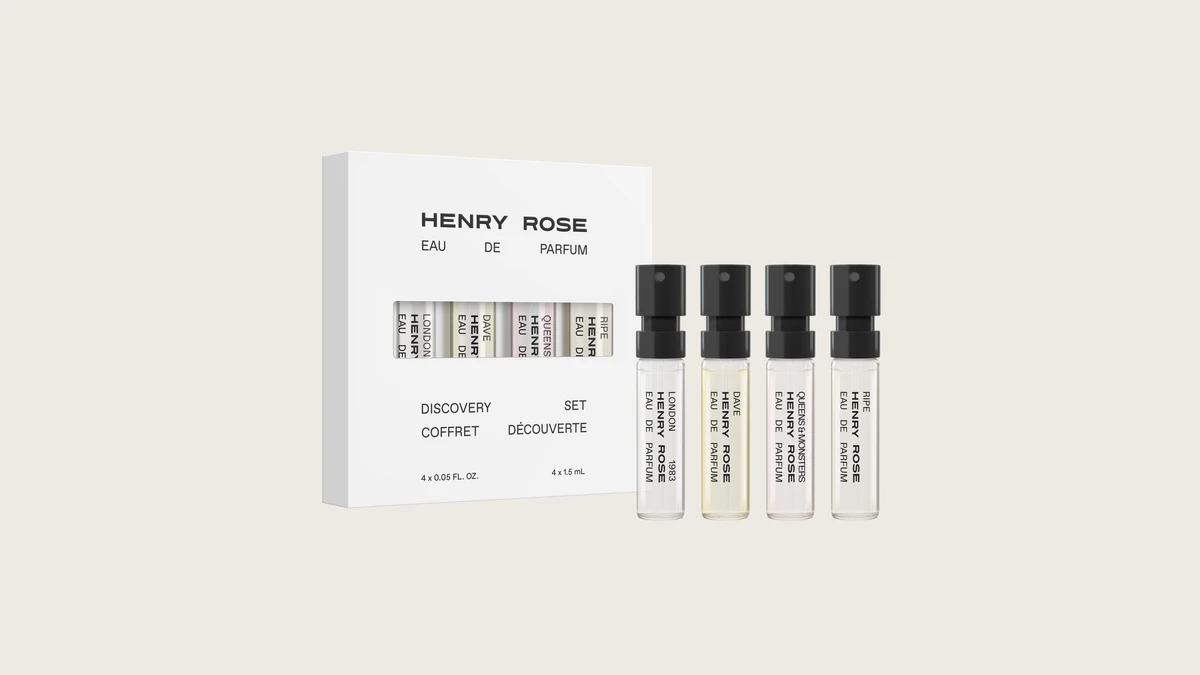
At the time of research, the Bestsellers Discovery Set was $22 for four 1.5 mL sprays: Dave, London 1983, Ripe, and Queens & Monsters. The listing describes spicy vanilla, fig, fruity floral, and woody floral directions respectively. That gives a newcomer several different starting points without requiring a full bottle.
The product page includes a $20 digital discount toward a first 50 mL fragrance. Treat that as a conditional saving, not a refund. Six milliliters in total is a sampling quantity, not a replacement for a travel bottle. The useful outcome is discovering which scent, if any, you actually want to wear.
Queens & Monsters: notes are only a starting point
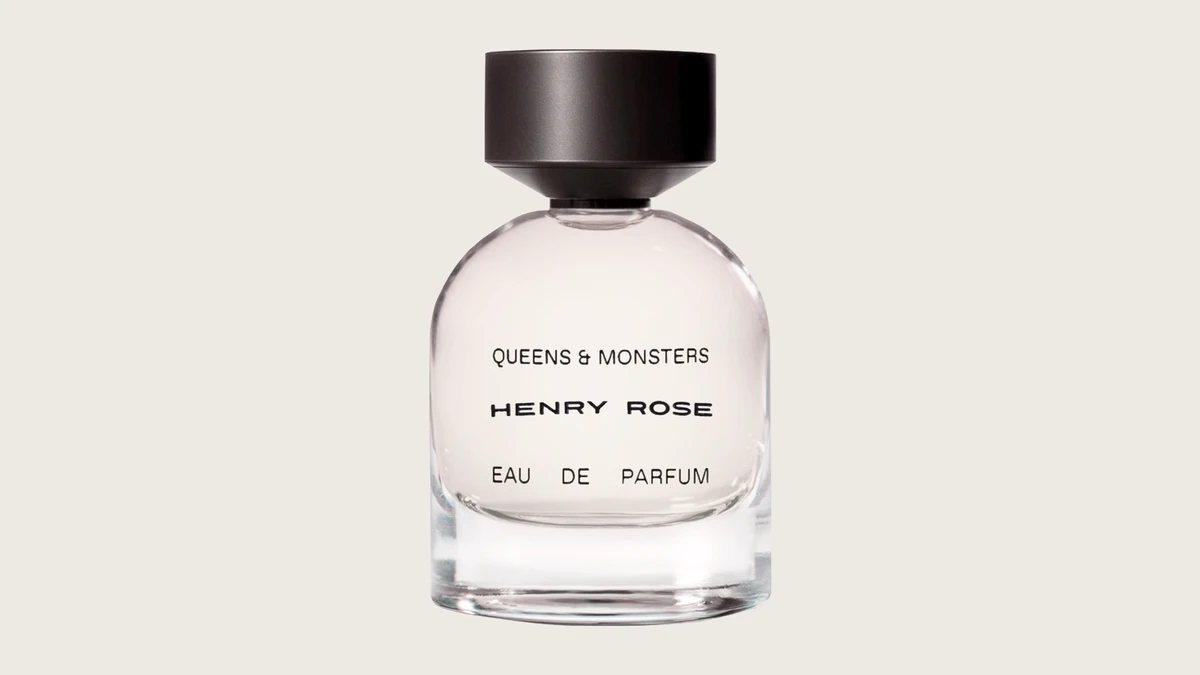
The Queens & Monsters page listed a 50 mL bottle at $120 and also offered an 8 mL travel format. Its perfumer describes petitgrain and jasmine sambac against musk and sandalwood. The ingredient display identifies botanical and synthetic materials, including cedarwood oil, patchouli oil, and several woody or musky aroma materials.
This shows what transparency can and cannot do. It helps explain the construction of a perfume, but a list cannot tell you whether its base feels comforting, too sweet, or too prominent. We would choose it after sampling, rather than assume a certification or a favorite note guarantees a match. A travel format may be the better commitment if you rotate fragrances rather than finish large bottles.
Customer feedback is divided for useful reasons
Recent individual buyers on the official discovery-set page describe finding a favorite, with Queens & Monsters and Ripe among the scents mentioned. That supports the usefulness of sampling, rather than a claim that everyone will enjoy the whole collection.
Independent fragrance discussions are more divided. Some people enjoy the range and report satisfactory wear; others dislike the profiles or describe relatively short longevity. These are personal accounts, not controlled comparisons. We would test one fragrance at a time, revisit it later in the day, and decide whether any desire to reapply is acceptable at the price. An enthusiastic review cannot establish how a perfume will perform in your own routine.
What ingredient transparency is worth
Detailed ingredient information is more useful than a vague “clean” label because it gives a shopper something specific to inspect. The disclosed Queens & Monsters formula also makes clear that this is not simply a collection of essential oils: the perfume combines different types of materials.
For someone with personal ingredient restrictions, the exact fragrance deserves attention rather than a conclusion based on the brand name. Marketing language cannot answer the central buying question: do you like wearing this perfume enough to finish it? We would treat transparency as a useful part of the evaluation, alongside scent preference, size, cost, and store terms.
U.S. shipping and the final-sale catch
The FAQ currently limits shipping to the continental U.S.; Alaska, Hawaii, Puerto Rico, PO boxes, APOs, and FPOs are excluded. It estimates delivery at 2–7 business days after dispatch, separate from processing. The storefront advertises free shipping at $75+, so compare the checkout total for a sample-only order.
All direct sales are final, including unopened items; returns and exchanges are unavailable. Damaged, defective, or incorrect deliveries should be reported within seven days with the order number and photos. Retail-partner purchases follow that retailer’s process. The FAQ says the discovery discount expires after 30 days. Confirm the current terms before paying.
Who should buy, and our verdict
Henry Rose suits a curious fragrance buyer who values ingredient detail, enjoys exploring several scent directions, and is willing to start small. A discovery set is a more proportionate introduction than an untested full bottle, provided you accept that the samples themselves are final sale.
We would pause if you need a flexible return policy, expect guaranteed long wear, or are buying mainly because of the founder or certification story. Our verdict is to consider the samples, then buy a bottle only when the fragrance has proved appealing in your own routine. The brand offers a reason to investigate; the scent must provide the reason to stay.
Before you order
Check the exact model, current price, return terms, and manufacturer instructions. Save the listing and order details so you can refer to them later.
Explore the brand guide ↗